
If you’ve had knee surgery, you likely have many questions. Having the answers can help you have a successful knee recovery. Denver Physical Therapy & Injury Specialists helps Colorado Springs patients return to the sports and activities they love, from hiking the Garden of the Gods and riding the Santa Fe Trail to everyday living. Below, find answers to the common questions patients ask us about knee surgery recovery and healing.
Resource: healthline.com
Table of contents
Estimated reading time: 7 minutes
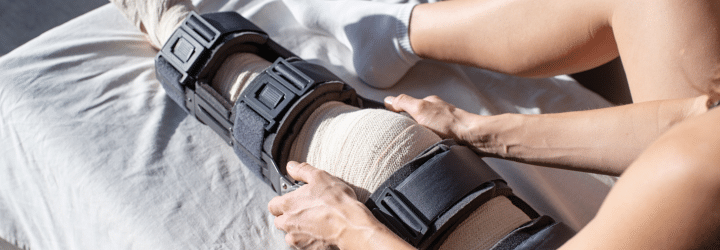
1. Commit to Your Physical Therapy Schedule
In most knee surgeries, physical therapy starts sooner than patients expect. In most cases, therapy begins between 24 and 48 hours after surgery. Moving early helps prevent your joint from becoming stiff, improves blood flow to the area, and establishes the necessary motions to return to full motion. This is not always the case. Depending on your specific surgery, your start time will differ. Starting early is one of the best ways to support a quick recovery timeline.
What If I Skip Physical Therapy?
If you skip a physical therapy session or neglect to do your home physical therapy, this could significantly delay your knee recovery. As a knee is immobile after surgery, it is very easy for it to get stiff. In fact, if you have any degree of joint scarring that occurs due to inactivity of the leg, it becomes very difficult, and often painful, to regain movement and strength. We realize life gets in the way sometimes. If you miss any sessions or are not doing your exercises, contact your physical therapist right away to reschedule. We can help adjust your appointment schedule, but we will never exceed the amount your knee can physically tolerate.
Do I Need to Come Into the Clinic, or Can I Do All of It at Home?
In most cases, your physical therapy program will consist of both clinic sessions and home exercises that are done on your own. Your physical therapist will work with you in the clinic and guide you throughout your session and your physical therapy progress. In turn, you can do your physical therapy at home and support the progress made at the clinic. Most likely, you will not need to go to our clinic every day, but guided physical therapy helps ensure you are not making improper movements or using compensatory motions that can cause further damage. Having you perform these physical therapy exercises on your own can ensure you are able to keep up with your progress, whether you are performing exercises in the middle of your kitchen or taking a rest after you have gone for a walk.
2. Begin Treating Pain and Swelling Quickly
During the first two weeks after surgery, swelling is likely to be most prevalent. We generally advise icing the knee for 15 to 20 minutes several times a day and elevating the knee above the level of your heart to help drain the fluid away from the joint. A lot of patients will find that they want to use these for a few weeks, particularly following your therapy session or a particularly long day on your feet. Always place some barrier between the cold pack and your skin to prevent irritation. If swelling increases dramatically or it does not respond to treatment in this manner, please tell your surgeon or us, as we want to be sure that there is nothing more serious at play.
Normal Discomfort vs. Warning Signs
Some discomfort is expected during the healing process as your body readjusts to your surgery. During and after physical therapy sessions, you will likely experience some soreness as your muscles rebuild strength. Generally, recovery pain will respond to rest and ice and will gradually decrease. Pain that is worsening or redness and warmth in the incision area, fever, pain in the calf, and sudden swelling that does not respond to treatment are all signs you should contact your surgeon immediately, as these can indicate something more serious, such as an infection or blood clot.
3. Fuel Your Body with Proper Nutrition
Proper nutrition provides the fuel and building blocks your body needs to heal and recover after surgery. While a healthy diet doesn’t replace physical therapy, it gives you the energy to work through your rehabilitation.
Focus on these key elements for your recovery diet:
- Protein: Essential for repairing muscles and tissues. Excellent sources include lean meats, fish, eggs, beans, and dairy.
- Vitamin C: Found abundantly in fruits and vegetables, it helps form collagen and acts as a powerful antioxidant to fight inflammation.
- Healthy Fats (Omega-3s): Salmon, walnuts, and fish oils help reduce inflammation and support healing.
- Whole Foods: A well-rounded diet rich in vitamins, calcium, and whole foods ensures your body has everything it needs to rebuild efficiently.
Resource: orthowisconsin.com
Do I Need Supplements?
Generally, a well-balanced, healthy whole-foods diet contains all the nutrients our bodies need to heal. If you do not feel you can eat a healthy diet, some patients may benefit from supplementation. Before starting any supplements, please check with your physician, as some may affect bleeding, clotting, or interact with other medications. At all times, we suggest to our patients that they put nutrition first and use nutritional supplements only to address a real deficiency, not as a fast and easy solution. A discussion with your medical team will inform you as to what supplements you may or may not need.
4. Get Some Rest
Most patients find that lying flat on their back is the best sleeping position in the early part of the recovery period because it allows the knee to be well supported and prevents unnecessary strain. If a pillow is placed beneath your lower leg or ankle, you may achieve better elevation and reduce swelling, but you should avoid placing a pillow directly behind your knee for long periods, as that can increase stiffness. If you do not like lying flat on your back, it may work well for you to lie on your other knee with a pillow between your legs. You may want to be aware of the fact that it may take a few days to experiment with various positions to identify the most comfortable one for your situation. In the course of your recovery, your sleeping positions will return to normal.
5. Stay Mentally Positive
Yes, it is, and you are certainly not alone in feeling this way. Knee surgery recovery is a journey that includes good days and bad days, and it is normal to feel discouraged when your knee is achy or progress seems to stall. We also know that the mental side of recovery can be challenging, and many active Colorado Springs residents miss the trails, bikes, and slopes in their daily lives. It is good to acknowledge these feelings instead of suppressing them. It helps if you lean on your family, friends, or care team for support. We also remind our patients that they may hit a temporary roadblock during their recovery, but it does not define their outcome, and consistency usually leads to better results.
How Do I Stay Motivated When I Am Not Seeing a Lot of Progress?
Knee surgery recovery often sees small improvements, so focusing on those small wins can help you to stay motivated. Tracking range of motion, walking distance or time, or the duration you can bear weight allows you to see the progress that may not seem as apparent in a single day. Setting specific milestones, such as walking your favorite loop at Garden of the Gods or getting out on your favorite road bike ride or trail, helps you work toward something. And, of course, we always celebrate the successes along the way! Our care team is here to remind you of your success and update your plan when you are ready.
Ready to Start My Recovery Plan?
Recovery is different for every knee and every patient. If you have had knee surgery in Colorado Springs, our team at Denver Physical Therapy & Injury Specialists wants to help you on your road to healing and active living. Schedule a consultation so we can create a plan for how you will recover, what you will be working on to reach your recovery goals, and the trails you will be ready to enjoy!