Flexibility and strength shape almost every part of your day. They affect how easily you lift a laundry basket, carry groceries, play with your kids, or get through a round of golf. When either starts to slip, everyday tasks feel harder, and the risk of injury rises.
At Physical Therapy and Injury Specialists (PTIS) in Englewood, CO, we have helped patients recover and return to what matters most. Our guided physical therapy programs serve people of all ages and fitness levels, helping them build strength, regain flexibility, and stay active for work, sport, and daily life.
Resource: mayoclinic.org
Estimated reading time: 6 minutes
Key Takeaways
- Improving flexibility and strength is essential for everyday activities and injury prevention.
- Guided physical therapy combines personalized assessment and treatment to enhance movement and support recovery.
- PTIS offers varied services like therapeutic exercise, manual therapy, and orthopedic therapy to meet patient goals.
- Many people can benefit from guided physical therapy, including children, active adults, and older individuals.
- Patients can expect a comprehensive evaluation and personalized care plan during their first visit at PTIS.
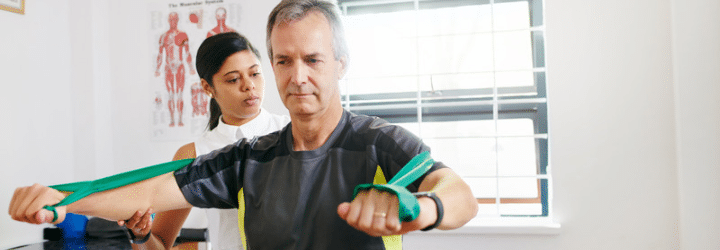
Table of contents
Why Flexibility and Strength Work Best Together
These two qualities depend on each other. Flexible muscles and joints allow full, comfortable movement. Strong muscles support and guide that movement.
When one is out of balance, problems follow. Tight hamstrings can contribute to lower-back strain, while weak hip muscles can add stress to the knees. Stiff shoulders make overhead reaching painful.
Addressing both together helps you:
- Move with less pain and stiffness
- Lower your risk of strains, sprains, and falls
- Improve posture and balance
- Recover faster from injury or surgery
- Keep up with family, work, and the activities you enjoy
What Makes Physical Therapy “Guided”
Stretching videos and gym routines have their place. However, they cannot assess how your body moves or adjust when something feels wrong. Guided physical therapy places a licensed therapist beside you at every stage.
Your therapist starts with a full evaluation, reviewing your health history, testing range of motion, checking key muscle groups, and observing how you move. From there, they build a personalized plan around your specific goals.
That hands-on guidance delivers real advantages:
- Correct form: Your therapist watches each movement and corrects it in real time.
- Safe progression: Exercises advance only when your body is ready.
- Targeted care: Treatment addresses the factors contributing to your symptoms, not just symptom relief.
- Accountability: Regular sessions help you stay on track
How PTIS Helps You Build Flexibility and Strength
Our clinic offers a range of services that work well together. Your therapist may draw from several of the approaches below based on your condition and goals.
Therapeutic Exercise
Therapeutic exercise forms the foundation of most PTIS plans. These are purposeful movements chosen to restore range of motion, rebuild strength, and improve endurance. Your program may include stretching, resistance work, core stabilization, and balance training. We teach each exercise in the clinic so you can continue safely at home.
Manual Therapy
Manual therapy uses hands-on techniques to loosen tight tissue and restore joint movement. Your therapist may apply soft tissue mobilization, joint mobilization, or assisted stretching. These methods reduce pain and stiffness, making it easier to perform strengthening exercises correctly. Manual therapy may also make therapeutic exercises easier to perform as part of your treatment plan.
Orthopedic Therapy
Orthopedic therapy targets the muscles, bones, joints, ligaments, and tendons. It is a common fit for people recovering from surgery, managing arthritis, or healing from sprains and fractures. Our therapists work to restore normal joint motion and rebuild strength that fades after injury, helping you return to daily life with confidence.
Sports Therapy
Athletes and active adults place high demands on their bodies. Sports therapy addresses the flexibility, strength, and stability your specific activity requires, whether that is running, skiing, tennis, or weekend hiking. Treatment covers both recovery and prevention, correcting muscle imbalances and movement patterns that can lead to future setbacks.
TRX Training
TRX suspension training uses straps and body weight to develop strength, balance, and core stability. The adjustable angle and resistance of each exercise make it a solid option for beginners and experienced athletes alike. This method trains multiple muscle groups at once, helping the body work as one coordinated unit.
Pilates
Pilates focuses on controlled movement, breathing, and core strength. It is particularly effective for improving posture, spinal mobility, and general flexibility. A physical therapist can incorporate Pilates into rehabilitation for patients managing back pain, building core strength, or seeking greater ease of movement.
Who Can Benefit From Guided Physical Therapy
Guided physical therapy serves patients at every stage of life, not only those recovering from major surgery or injury.
- Children and teens managing growth-related issues, sports injuries, or developmental concerns
- Busy adults dealing with back pain, neck tension, or desk-related stiffness
- Parents who want to lift, carry, and keep up with their kids pain-free
- Athletes and active adults recovering from injury or working to prevent the next one
- Older adults focused on maintaining balance, mobility, and independence
Many families trust our team across multiple generations. One longtime patient noted that they and their father have both returned to the clinic many times and find every staff member excellent.
What to Expect at Your First Visit
Starting physical therapy should be straightforward. Here is what a first visit at PTIS typically looks like:
- Conversation: We discuss your symptoms, health history, daily routine, and goals.
- Evaluation: Your therapist assesses your flexibility, strength, posture, and movement patterns.
- Plan of care: We share our findings in plain language and outline your treatment plan.
- Getting started: In most cases, we begin hands-on treatment, and you leave knowing your first home exercises.
Simple Habits to Support Your Progress at Home
What you do between sessions matters. These habits help you see steady results:
- Follow your home program: Short, regular practice is often easier to maintain than occasional long sessions.
- Warm up first: A few minutes of light movement prepares your muscles before stretching or strengthening.
- Stretch carefully: Hold each stretch steadily and avoid bouncing. Aim for gentle tension, not pain, and ask your therapist about any discomfort.
- Rest and hydrate: Muscles need both water and recovery time to rebuild.
- Keep your therapist informed: Share what feels easier, what feels harder, and any new concerns.
Frequently Asked Questions
How long does it take to see improvement?
Every patient responds differently. Many notice less stiffness and better movement within a few weeks. Strength gains typically build over several weeks of regular sessions.
Do I need a referral to start physical therapy?
In Colorado, you can often see a physical therapist directly, without a physician referral. Our front desk team can clarify coverage details for your specific insurance plan.
Is guided physical therapy safe if I have a chronic condition?
Physical therapy can help many people with chronic conditions build strength and flexibility. Your therapist reviews your medical history and adapts treatment to your needs. Some conditions require medical clearance or extra precautions before you start exercising.
Schedule Your Free Consultation
Stiffness and weakness do not have to hold you back. Whether the goal is recovery, prevention, or simply moving more comfortably, our team is ready to help. Contact Physical Therapy and Injury Specialists in Englewood, CO, to schedule your free consultation.